Studenti eccellenti del secondo e terzo anno di triennale e del primo anno di magistrale in Informatica e altre discipline STEM scoprono la ricerca di avanguardia nell’informatica. Ricercatori di punta coinvolgono i partecipanti nei loro ambiti di specializzazione tramite corsi brevi, seminari, discussioni e momenti di incontro informali.
La partecipazione è soggetta a una fase di selezione. La candidatura richiede l’invio di informazioni relative al proprio percorso accademico triennale o magistrale e di una breve descrizione dei principali risultati conseguiti finora.
Le candidature inviate entro il 13 Agosto riceveranno una comunicazione sull’esito della selezione entro il 17 Agosto. Le candidature ricevute dopo il 13 Agosto saranno valutate su base continuativa, fino a esaurimento dei posti disponibili. Vi incoraggiamo a candidarvi il prima possibile.
La partecipazione è gratis e vitto e alloggio saranno forniti a tutti i partecipanti.




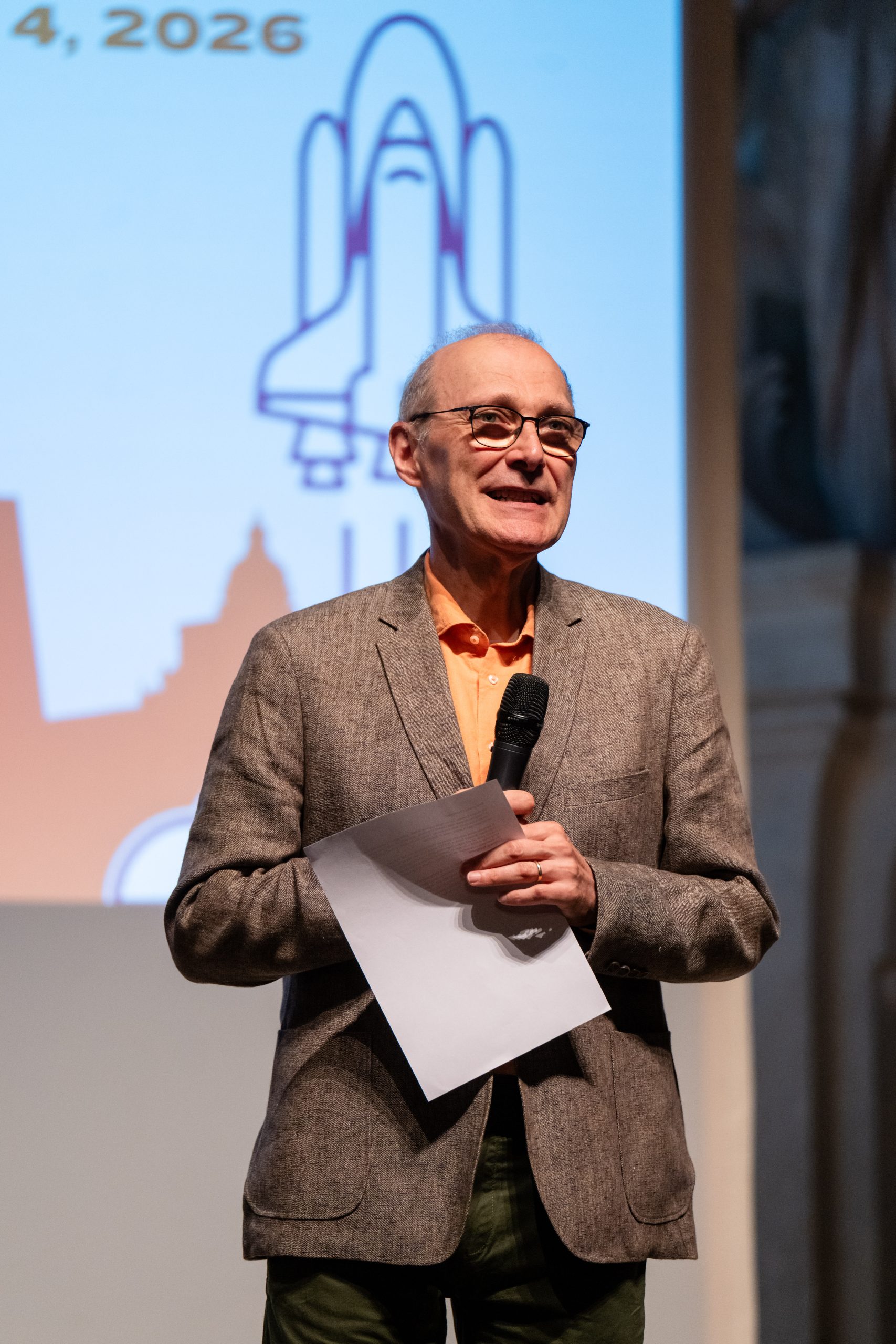

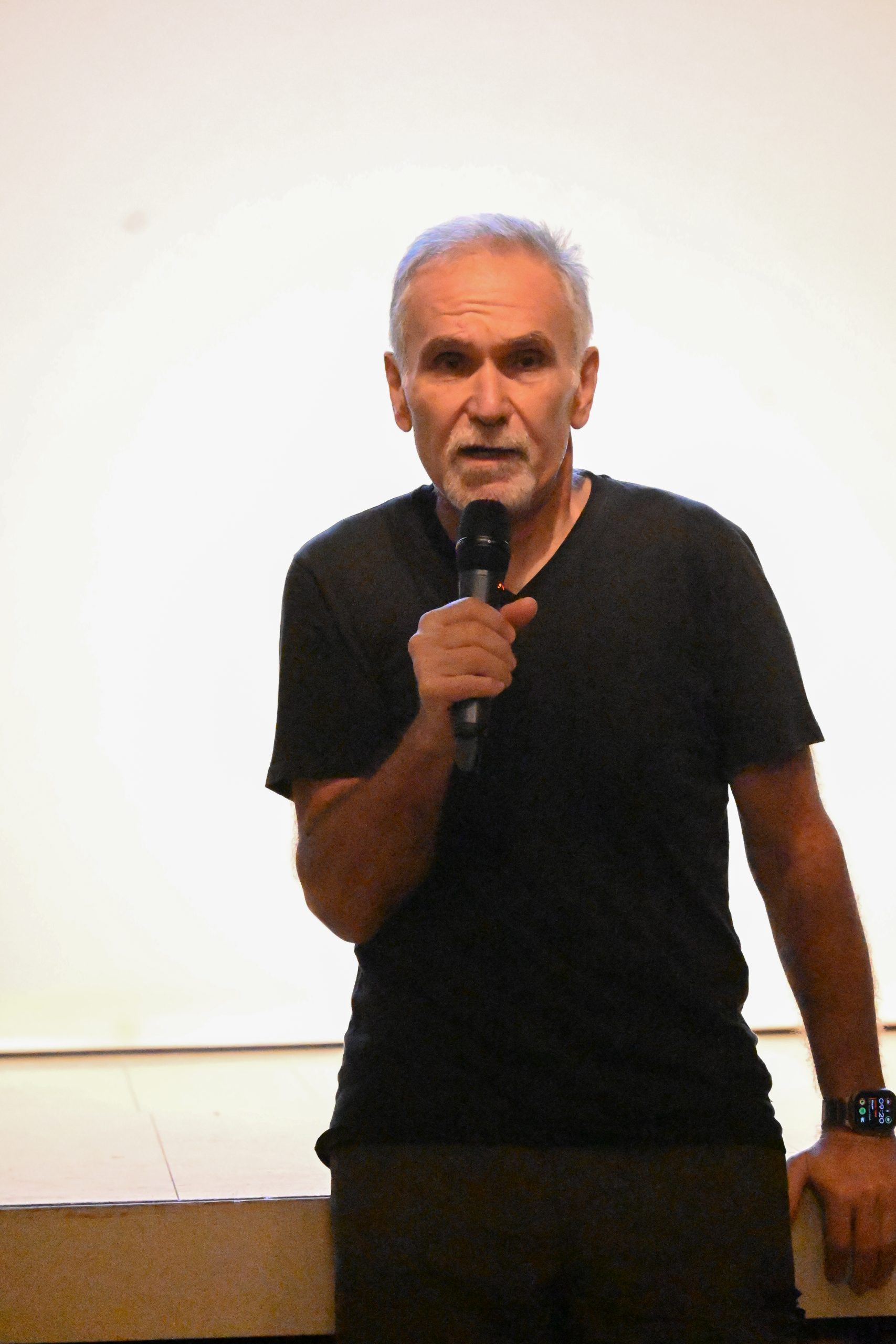

Battista Biggio (Laurea Magistrale 2006, Dottorato di Ricerca 2010) è Professore di Ingegneria Informatica presso l’Università degli Studi di Cagliari e co-direttore della ricerca sulla sicurezza dell’intelligenza artificiale presso il laboratorio sAIfer (www.saiferlab.ai). Si occupa di attaccare modelli di machine learning fin da prima della scoperta degli adversarial examples, nell’ambito di applicazioni di cybersicurezza quali il filtraggio dello spam, il rilevamento di malware, la sicurezza del web e il riconoscimento biometrico (PRJ 2018). Il suo gruppo di ricerca è stato il primo a formalizzare gli attacchi ai modelli di ML come problemi di ottimizzazione e a dimostrare attacchi di gradient-based evasion (ECML-PKDD 2013) e di poisoning (ICML 2012) contro algoritmi di machine learning, svolgendo un ruolo di primo piano nella nascita e nello sviluppo di questo settore di ricerca. Il suo lavoro pionieristico “Poisoning Attacks against Support Vector Machines” ha ricevuto nel 2022 l’ICML Test of Time Award. Il suo contributo su “Wild Patterns” ha ottenuto nel 2021 il Best Paper Award e la Pattern Recognition Medal conferiti dalla rivista Pattern Recognition di Elsevier. Il Prof. Biggio ha coordinato numerosi progetti industriali, nazionali ed europei finanziati dall’Unione Europea e ricopre regolarmente il ruolo di Area Chair nelle principali conferenze internazionali di machine learning e sicurezza informatica, tra cui NeurIPS e l’IEEE Symposium on Security and Privacy. È Associate Editor-in-Chief della rivista Pattern Recognition ed è stato presidente dell’IAPR TC1 (2016–2020). È Fellow di IEEE, IAPR e AAIS, Senior Member di ACM e membro di IAPR ed ELLIS.

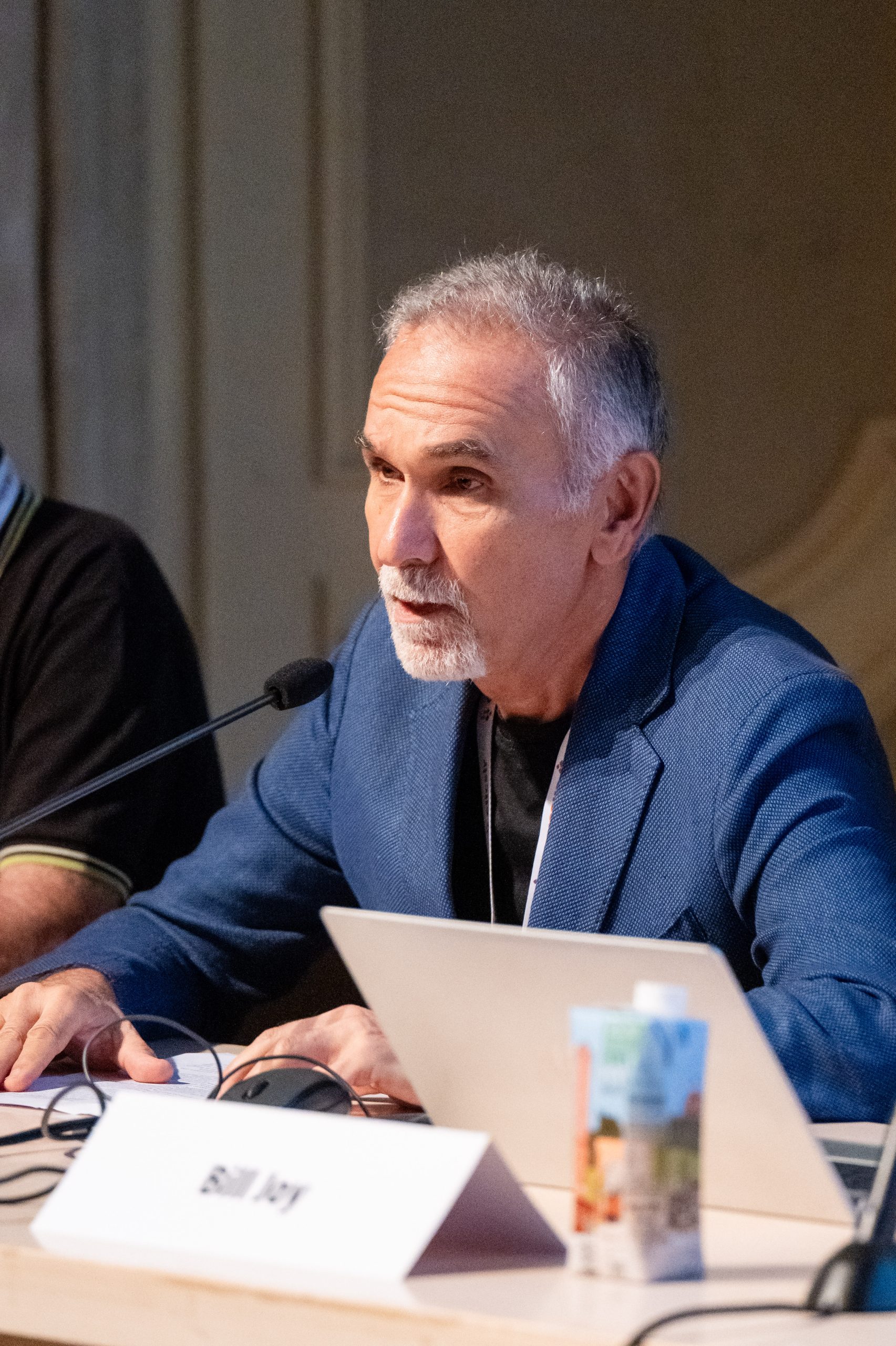
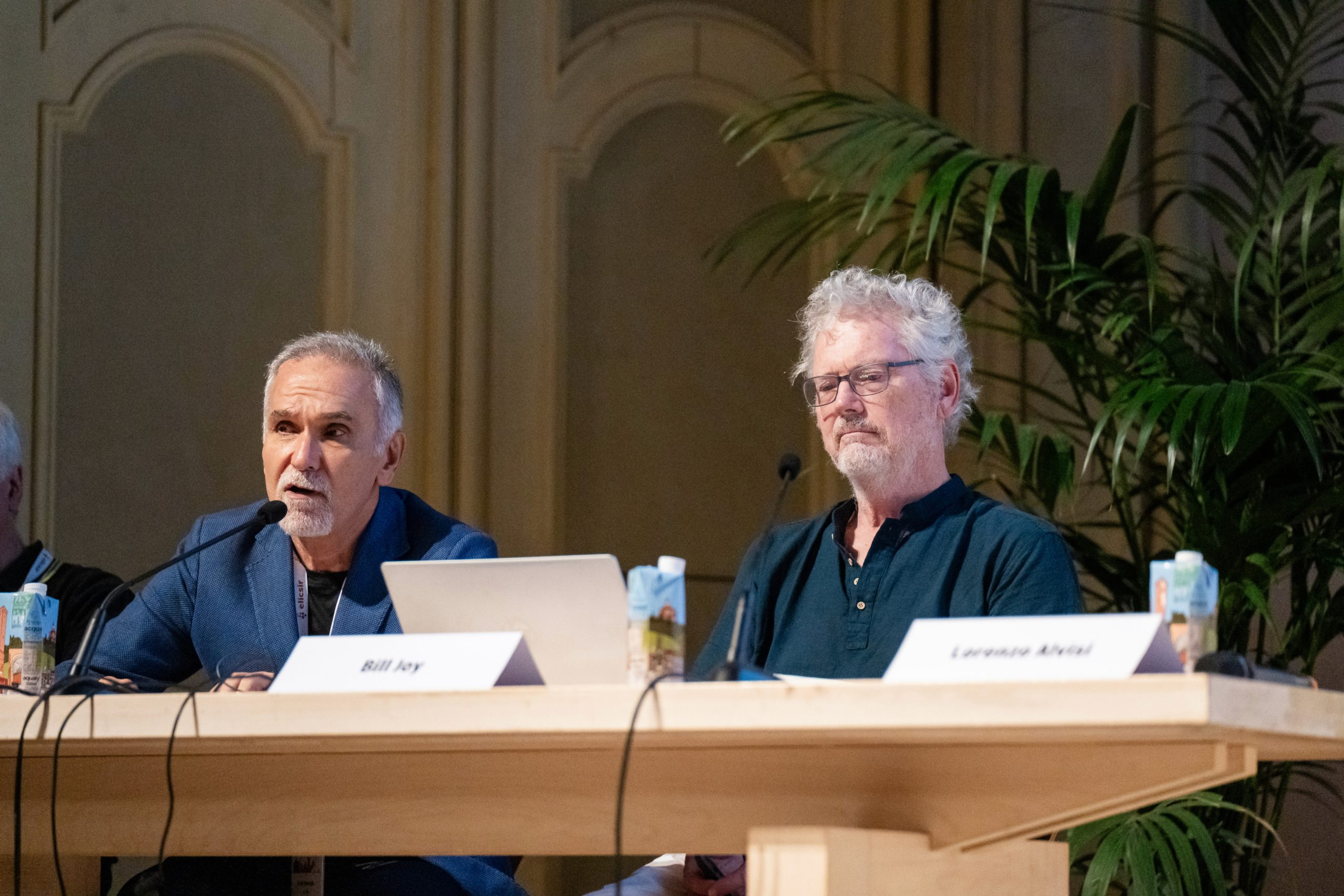
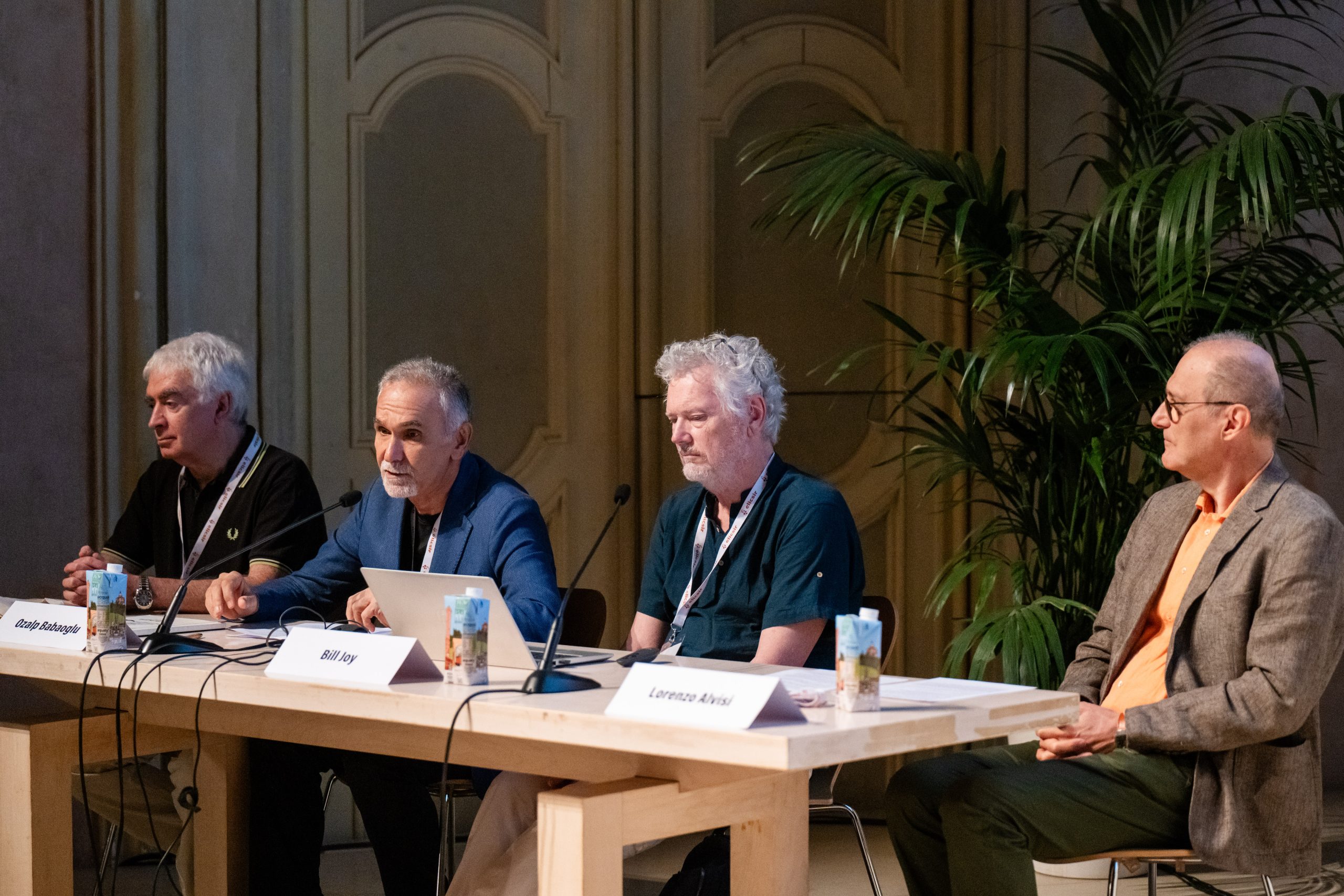
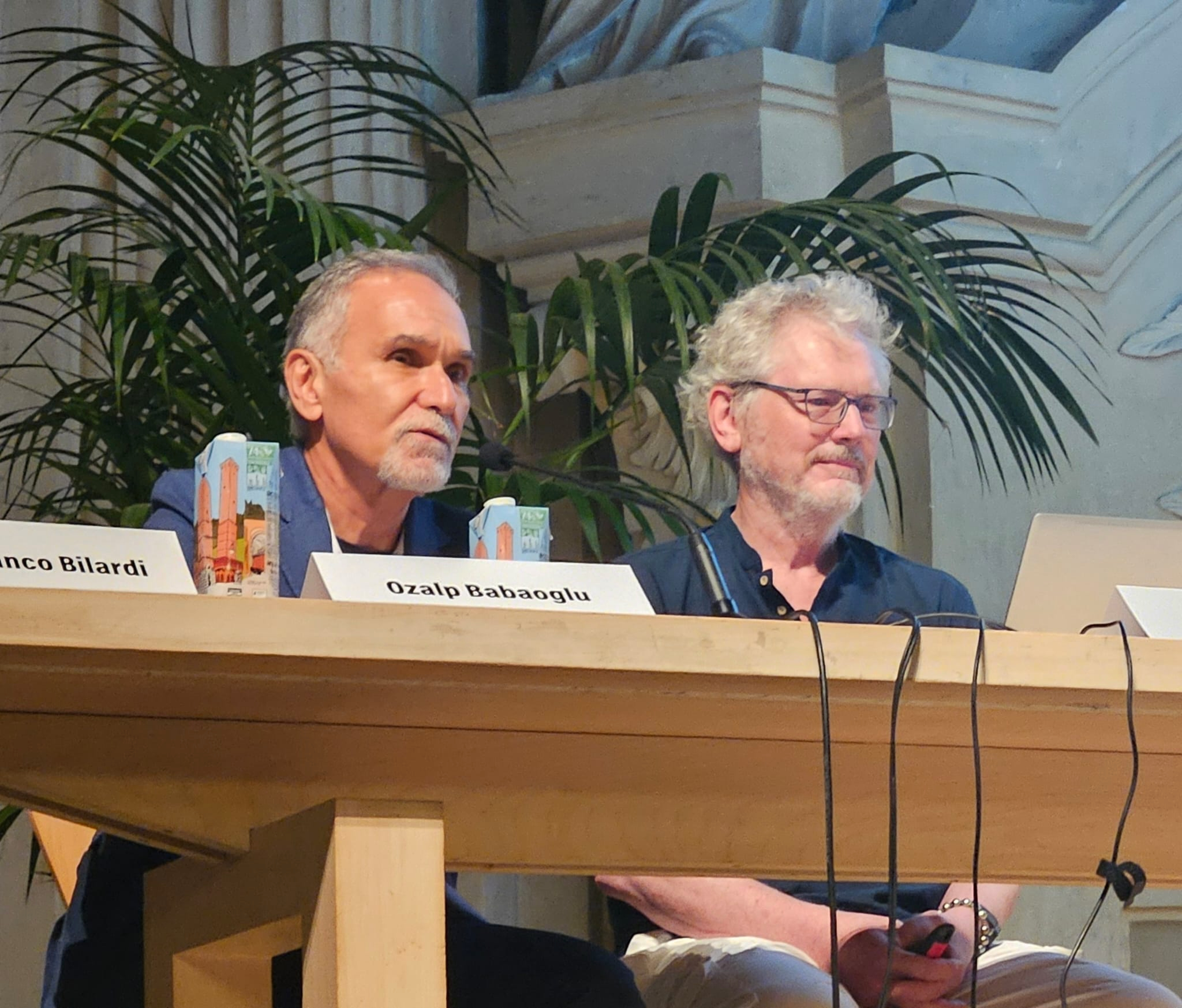
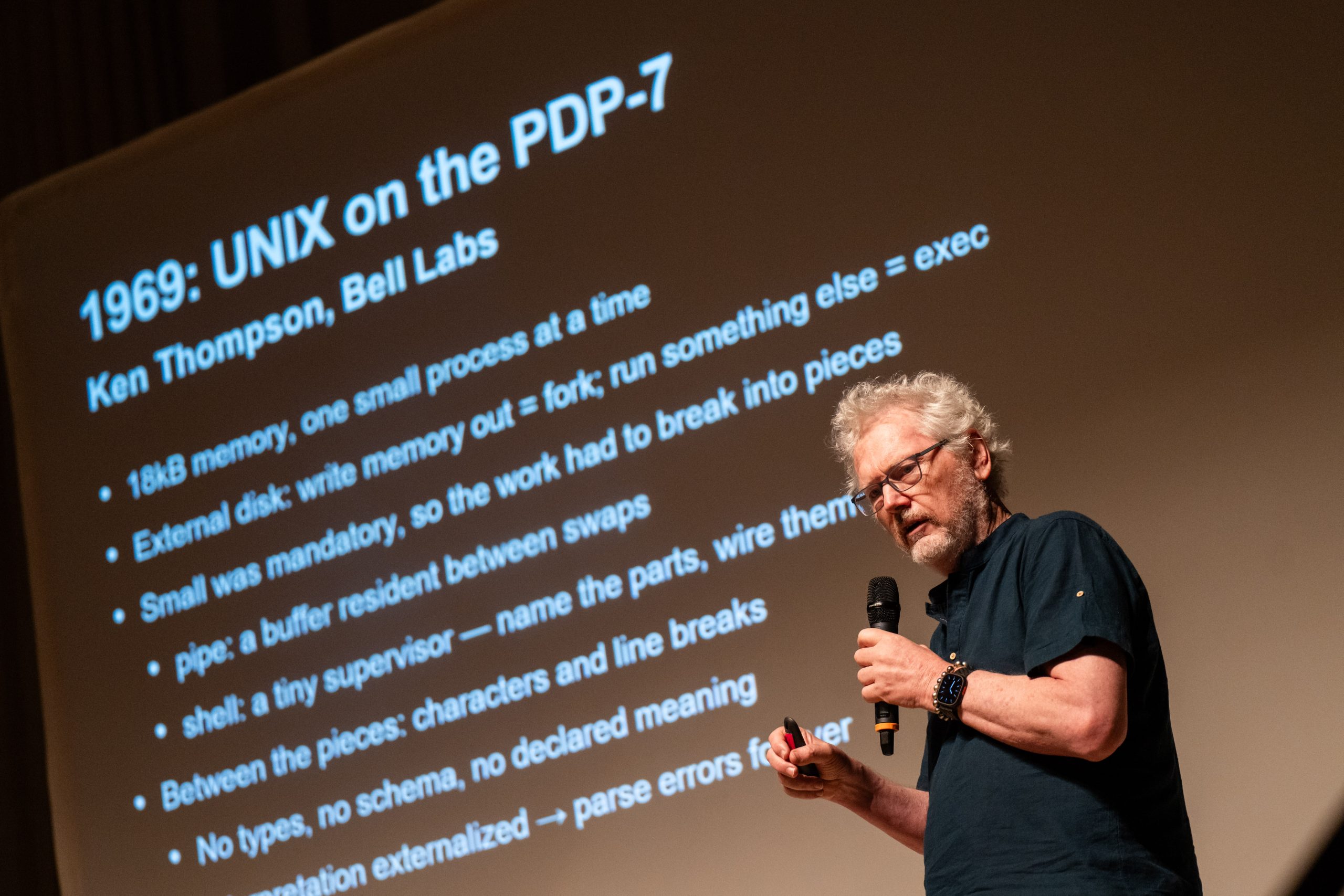
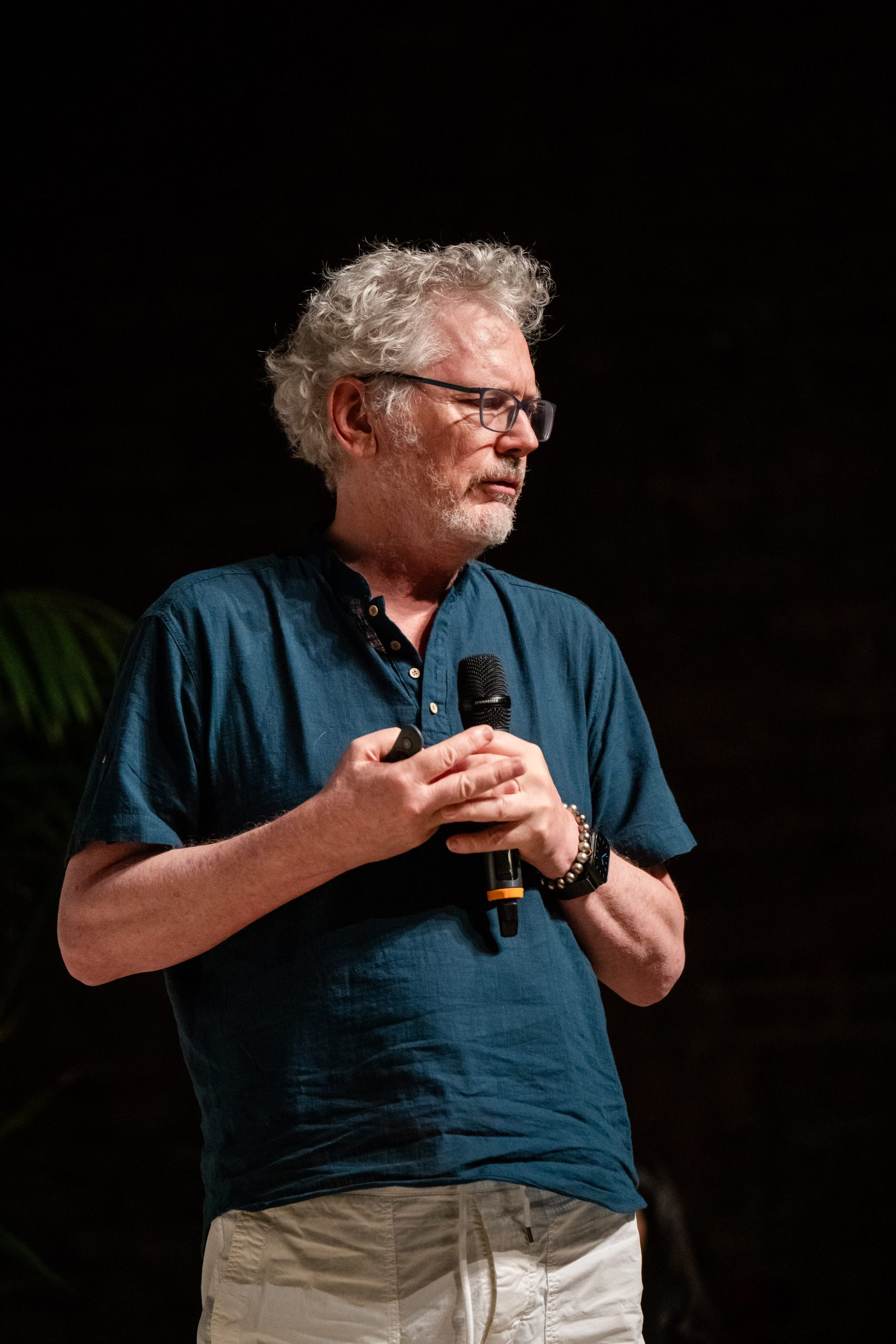
Bill Joy is an American computer scientist, co-founder of Sun Microsystems, and a key contributor to UNIX development. Born in 1954, he earned degrees from the University of Michigan and UC Berkeley. Joy created the Berkeley Software Distribution (BSD) version of UNIX, which influenced modern operating systems.
At Sun Microsystems, he design the Network File System (NFS) and helped design the Java programming language. After leaving Sun, Joy joined venture capital firm Kleiner Perkins Caufield & Byers (KPCB) as a partner, where he focused on investing in green technology and innovative startups.
In 2000 he wrote a cover story for Wired magazine entitled “Why the Future Doesn’t Need Us,” addressing the ethical implications of advanced technologies.
Bill is a Member of the U.S. National Academy of Engineering and the American Academy of Arts and Sciences. He is a named inventor on more than 60 US Patents.

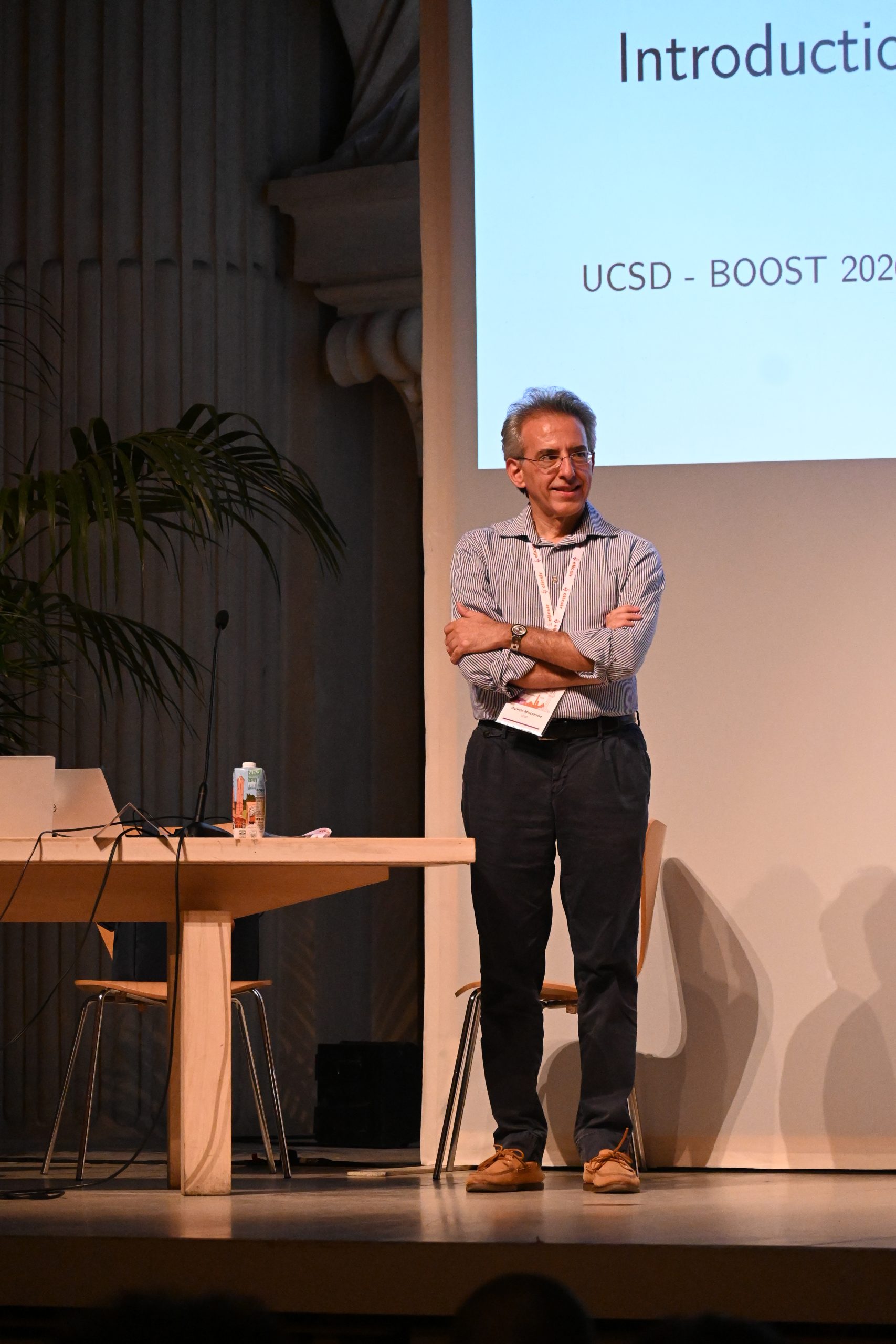
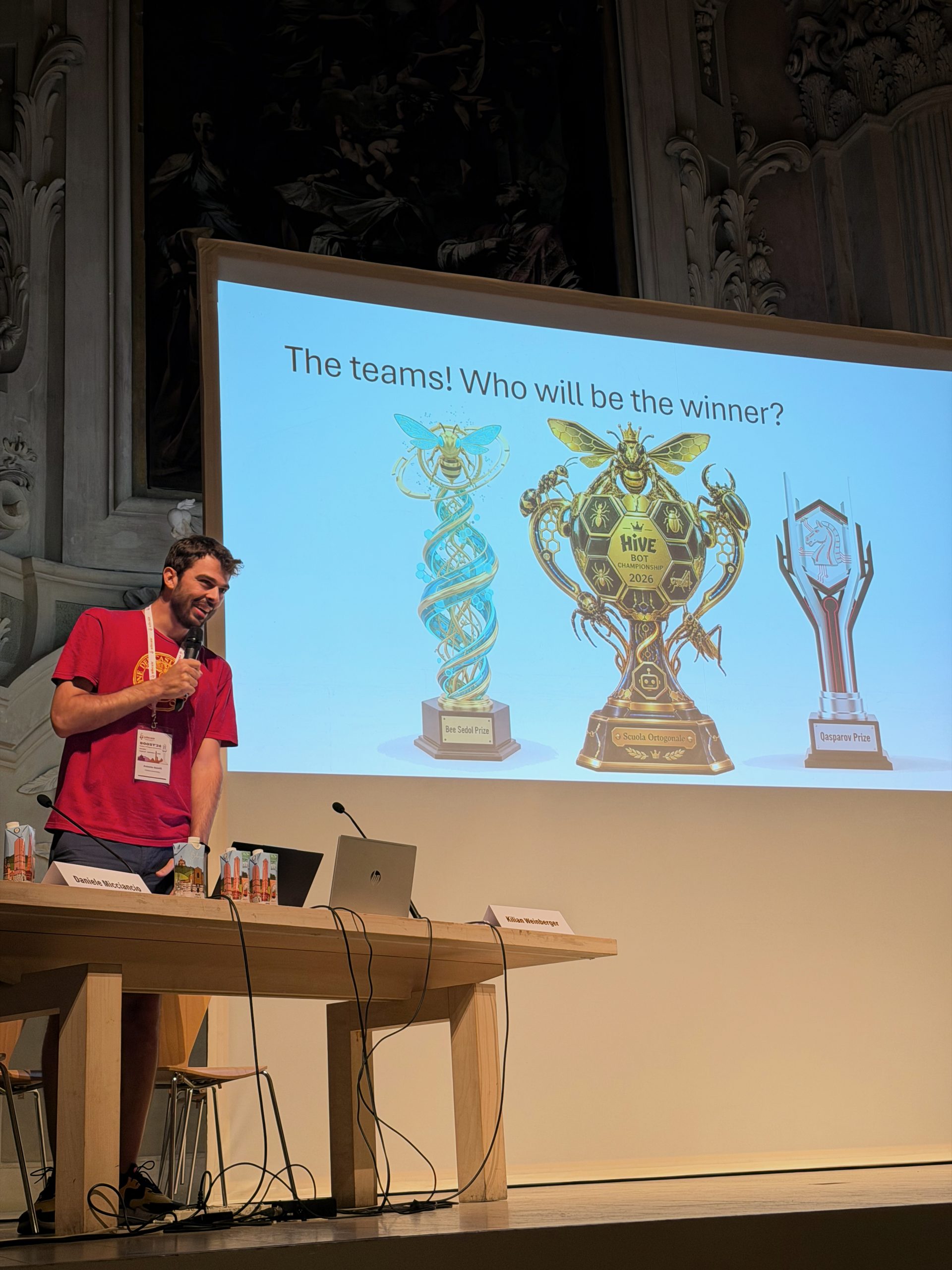
Daniele Micciancio è una delle massime autorità nel campo della crittografia, della teoria della complessità e delle primitive crittografiche lattice-based. Attualmente è professore presso il Dipartimento di Informatica e Ingegneria dell’Università della California, San Diego (UCSD), dove fa parte del corpo docente dal 1999. Ha conseguito il Ph.D. in Informatica presso il Massachusetts Institute of Technology (MIT) nel 1998.
La ricerca fondamentale del professor Micciancio si concentra sulla complessità computazionale dei lattice-problem, sulle riduzioni da worst-cae ad average-case, su fully homomorphic encryption e su post-quantum cryptography. È coautore dell’influente volume Complexity of Lattice Problems: A Cryptographic Perspective e ha pubblicato numerosi articoli ormai considerati classici, dedicati alle lattice-trapdoor, compact-knapsack e a metodi avanzati di bootstrapping.
Nel corso della sua carriera, il professor Micciancio ha ricevuto prestigiosi riconoscimenti, tra cui l’NSF CAREER Award nel 2001, una Hellman Fellowship nel 2001, una Sloan Fellowship nel 2003 e diversi FOCS Test of Time Awards nel 2022 e nel 2024. Nel 2019 è stato nominato Fellow dell’International Association for Cryptologic Research (IACR) per i suoi contributi pionieristici alla crittografia lattice-based.

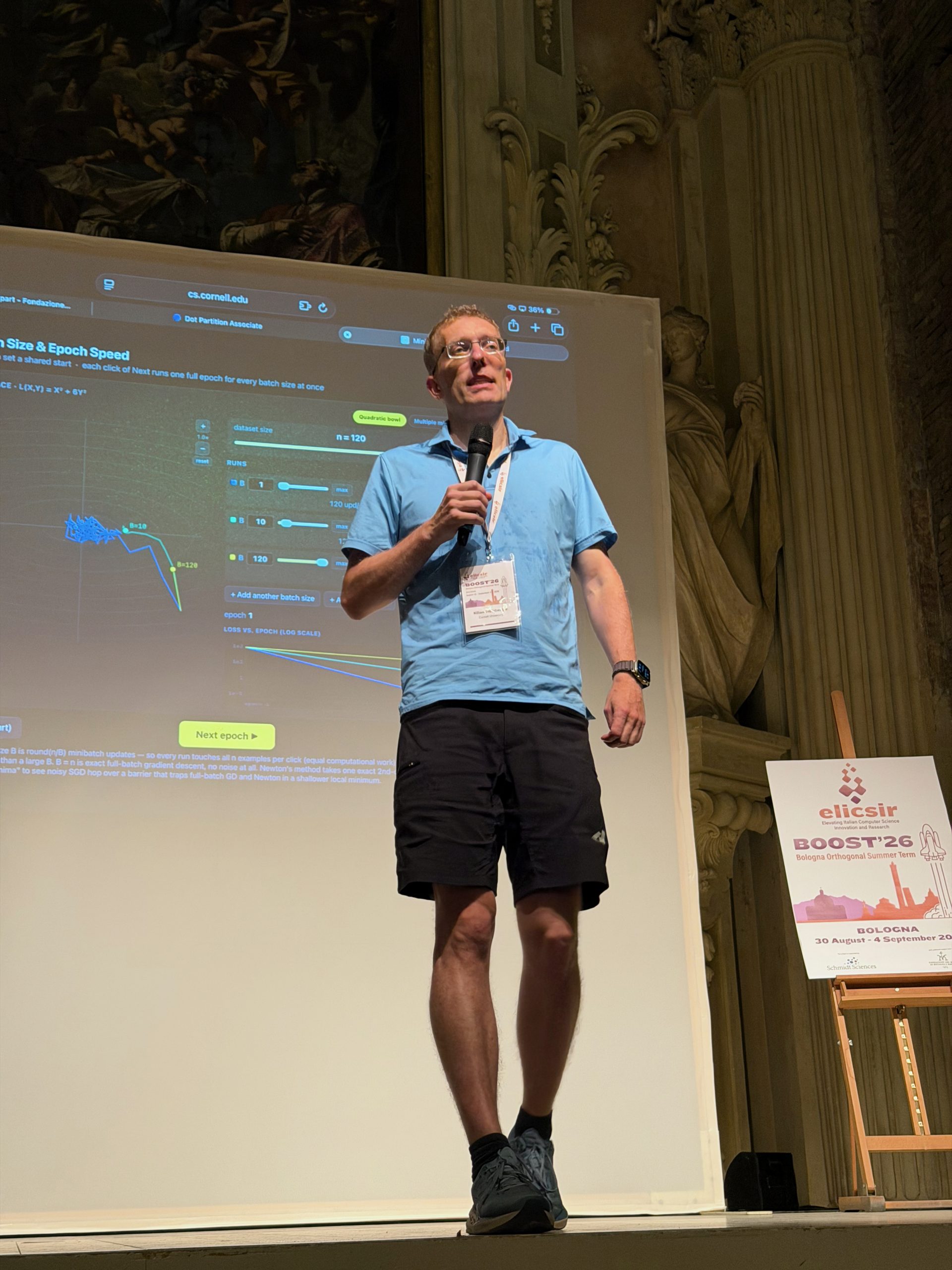
Kilian Q. Weinberger è Professore di Informatica presso la Cornell University. Ha conseguito il Ph.D. in Machine Learning presso la University of Pennsylvania sotto la supervisione di Lawrence Saul e una laurea in Matematica e Informatica presso la University of Oxford. È nato e cresciuto sul pianeta Terra.
La sua attività di ricerca si concentra sul machine learning e sulle sue applicazioni, con particolare attenzione all’apprendimento in presenza di vincoli di risorse, al metric learning, all’intelligenza artificiale per la scienza, alla computer vision, ai veicoli autonomi, ai processi gaussiani e al deep learning. Prima di entrare a far parte della Cornell University, è stato Associate Professor presso la Washington University di St. Louis e, in precedenza, ricercatore presso Yahoo! Research a Santa Clara.
Ha ricevuto Best Paper Award alle conferenze ICML, CVPR, AISTATS e KDD, l’AAAI Outstanding Senior Program Chair Award, l’NSF CAREER Award, il Daniel M. Lazar ’29 Excellence in Teaching Award e l’Ann S. Bowers Teaching and Advising Excellence Award.
È stato il settimo Presidente di ICML e, dal 2024, fa parte del comitato di selezione delle Sloan Research Fellowships. Quando non lavora o non è infortunato, ama dedicarsi alla corsa.
Machine learning systems are everywhere — filtering spam, detecting malware, and now writing code and making decisions on our behalf. But these systems can be fooled, sometimes surprisingly easily. A tiny, almost invisible change to an image can make a classifier see a different object entirely. A few crafted inputs slipped into training data can quietly corrupt a model’s behavior. For twenty years, security researchers and attackers have been locked in a back-and-forth: every new defense inspires a cleverer attack, and every clever attack inspires a new defense. So far, nobody has won.
In this talk, I’ll walk through that history — starting with the earliest attacks on spam and malware detectors, through the discovery of “adversarial examples” that fool image classifiers, and up to the brand-new challenges posed by large language models and autonomous AI agents. Along the way, I’ll explain the core ideas of adversarial machine learning in plain terms: what makes a model vulnerable, how attackers find its weak points, and why building a truly robust defense has proved so hard.
I’ll also get a bit critical: why do so many proposed defenses look great on paper but fail in practice? Part of the answer lies in how we evaluate these systems — we often lack rigorous, scalable ways to stress-test models under adversarial or unusual conditions, and we don’t have good tools for catching evaluation mistakes, biased datasets, or models that are right for the wrong reasons. I’ll share some of our lab’s recent work tackling these problems and end with a broader idea: maybe the path to trustworthy AI isn’t a single, unbreakable model, but rather AI embedded as a carefully engineered component within a larger, more resilient system with a defense-in-depth approach.
I have worked in technology for 50 years now. I will reflect on strange things that happened to me, where things didn’t just go sideways they went upside down.
Berkeley UNIX and Open Source—progress derailed?
“Why the Future Doesn’t Need Us”—mismanaging 21C technologies…
Climate Change—Misadventures in Venture Capital
I hope to thereby shed light on what we might do now…
Public-key cryptography is essential for securing modern communication, but traditional number-theoretic constructions will be broken by quantum computers. To address this threat, in 2024 NIST has standardized new cryptographic systems based on the hardness of algorithmic problems on point lattices, which offer “post-quantum” security, i.e., security against the threat posed by quantum computers.
This course offers an intensive introduction to lattice-based cryptography, from mathematical theory to deployed post-quantum standards. Specific topics covered by the course include:
Relevant prerequisites include basic knowledge of linear algebra, some abstract algebra (polynomial rings), basic probability theory, and algorithms, as offered by introductory level courses on these subjects.
How did machine learning evolve from simple algorithms that separate two classes to AI systems capable of holding conversations, writing software, and answering questions? This course tells the story of modern machine learning through the sequence of ideas that led from linear classifiers to today’s large language models. Along the way, students will learn the foundations of supervised learning, optimization, neural networks, Transformers, and language modeling. Rather than presenting these topics as isolated techniques, the course aims to develop a coherent narrative in which each new generation of models overcomes the limitations of its predecessors. The emphasis is on intuition, visual explanations, and practical examples, making the course accessible to undergraduate students with a basic background in linear algebra and calculus.
Oratorio di San Filippo Neri, Bologna


© ELICSIR Foundation ETS 2026 - All right reserved
Questo sito utilizza cookie tecnici e di profilazione per migliorare la tua esperienza di navigazione. Continuando a navigare nel sito acconsenti all'uso dei cookie.